<속보>(기사 작성중) 카프리코(Capricor), “FDA가 데라미오셀(Deramiocel)의 심사 완료일을 3개월 늦췄다”(The FDA delayed the completion of the review for Deramiocel by three months)고 발표… 논란 속 기한 연장이 데라미오셀을 살려 낼까?
2026-08-27

Where the Curious Come to Rest

 모더나(Moderna)와 머크(Merck), 맞춤형 mRNA 암 치료제 ‘인티스메란(intismeran)’의 흑색종 3상 임상 시험 성과 발표… 그러나 ‘생존 기간 연장’ 확인되지 않았고 제품화엔 수 년 걸려(However, ‘extended survival period’ was not confirmed, and commercialization will take several years)… 개인 맞춤형 치료의 길은 열렸지만 낙관은 금물 2026-08-21
 다시 불붙은 미국의 ‘백신 전쟁’…트럼프의 소신인가, 중간 선거 전략인가(The U.S. ‘Vaccine War’ Rekindled… Trump’s Conviction or Midterm Election Strategy?) 2026-08-16
 두 번 거절한 FDA, 세 번째에는 왜 승인했나…레플리뮨(Replimune)의 흑색종(Melanoma) 치료제 ‘투드리케브’(Tudriqev)가 던진 질문과 의미… “‘엄격한 과학적 기준’과 ‘환자의 절박 요구’를 어떻게 조화시켜야 하나”(How should ‘strict scientific standards’ and ‘patients’ urgent needs’ be harmonized?) 2026-08-07
-미국 ‘책임 있는 의학을 위한 의사 위원회'(Physicians Committee for Responsible Medicine)는 “(육류) 산업의 영향력(Industry Influence)이 드러났다”며 포화 지방의 주요 공급원인 육류와 유제품에 대한 권장을 취소하고 지침(DGA)을 바꿔야 한다고 지적했다. 이 위원회의 회장인 닐 바너드 박사(Neal Barnard, MD, FACC: Fellow of the American College of Cardiology 미국심장학회(ACC)의 정회원·펠로우)는 “새 식생활 지침에서 콜레스테롤 수치를 높이는 ‘나쁜 포화 지방’ 섭취를 제한하는 것은 옳다”면서도 “하지만 그 지방이 어디에서 오는지 명확히 밝혀야 한다. 주로 유제품과 육류에서 온다. 그런데 이 지침은 심혈관 질환, 당뇨병, 비만의 주요 원인인 육류와 유제품 섭취를 권장하는 점에서 오류를 범하고 있다.”고 말했다. 그는 “미국인들은 이미 충분한 단백질을 섭취하고 있다”면서 “만약 단백질 섭취량 증가를 권장한다면, 그것은 식물성 단백질에서 나와야 한다”고 강조했다. 바너드 박사는 또한 “이 지침은 초가공 식품을 부당하게 비난하고 육류와 유제품은 면책시켜 버렸다”며 “반대로 했어야 했다”고 주장했다. 1만7천명의 의사 회원을 갖고 있는 이 단체는 새 식생활 지침(DGA)의 ‘은 점’과 ‘바꿔야 할 점’을 다음과 같이 내세웠다.
<옳은 점> 1. 포화 지방(‘나쁜’) 섭취를 제한, 2. 과일과 채소 같은 식물성 식품의 섭취를 장려, 3.알코올 섭취 제한, 4. 조언을 간소화하고 전문 용어를 없애 권장 사항을 쉽게 이해할 수 있도록 한 것
<바꿔야 할 방향>
1. 심장병 및 기타 만성 질환과 관련된 동물성 단백질 섭취를 경고해야 한다(Warn against animal protein, which is linked to heart disease and other chronic diseases).
2. 채식주의 및 비건 식단은 비타민 B12 보충제를 함께 먹어야 필요한 모든 영양소를 제공할 수 있으며, 식물성 가공 식품은 필수 영양소가 강화되어 있는 경우가 많아 동물성 제품보다 건강에 더 좋다는 점을 언급해야 한다(State that vegetarian and vegan diets provide all necessary nutrients, with a B12 supplement, and that plant-based processed foods are often fortified with essential nutrients and are a healthier option than animal products).
3. 포화 지방 함량이 높고 유방암 및 전립선암과 관련이 있는 유제품 섭취를 자제하도록 권고해야 한다(Warn against consuming dairy products, which are often high in saturated fat and linked to breast and prostate cancers).
4. 포화 지방이 유제품과 육류에 함유되어 있으며 심장병과 알츠하이머병을 유발한다는 점을 명확히 함으로써 포화 지방에 대한 혼란을 없애야 한다(Eliminate confusion on saturated fat, specifying that it is in dairy products and meat and promotes heart disease and Alzheimer’s disease).
5. 초가공 식품 중에서도 어떤 식품들은 건강에 좋다는 사실을 알고 있어야 한다. 예를 들어, 아침 식사용 시리얼과 빵은 엽산, 비타민 B12 및 기타 영양소가 강화되어 있어 선천적 기형을 예방하고 당뇨병 및 심혈관 질환의 위험을 줄여준다(Recognize that some highly processed foods are healthful. These include breakfast cereals and breads, which are fortified with folic acid, vitamin B12, and other nutrients that prevent birth defects and reduce risk of diabetes and cardiovascular disease).
6. 우유는 전립선암, 유방암, 유당 불내증과 관련이 있으므로, 우유 대신 물을 마시는 것을 권해야 한다(Recommend water as the beverage of choice instead of milk, recognizing milk’s link to prostate cancer, breast cancer, and lactose intolerance).

-영양학자 마리온 네슬레(Marion Nestle)는 블로그 ‘식품 정치학'(Food Politics)에서 이 지침에 대한 비판을 “유쾌하면서도 혼란스럽고, 모순적이며, 이념적이고, 시대착오적(Cheerful, Muddled, Contradictory, Ideological, Retro)”이라는 제목으로 시작했다. 그는 다음과 같이 설명했다.
<왜 모순되나> “단백질, 육류, 전지방 유제품 섭취량을 늘리면 포화지방 섭취량을 총 칼로리의 10% 이하로 유지하기 어려워지고, 칼로리 균형을 맞추기도 더 힘들어진다(지방은 단백질이나 탄수화물보다 칼로리가 두 배 높다). 반대로 식이 섬유 섭취량을 늘리고 싶다면 육류와 유제품이 아닌 채소, 과일, 통곡물을 우선적으로 섭취해야 한다.” (If you increase the amount of protein, meat, and full-fat dairy in your diet, you will not be able to keep your saturated fat intake below 10% of calories, and will have a harder time maintaining calorie balance (fat has twice the calories of protein or carbohydrate). If you want to increase the amount of fiber in your diet, you need to prioritize vegetables, fruits, and whole grains, not meat and dairy.)
<왜 이념적인가> “필수 지방산 공급원으로 권장되는 올리브유, 버터, 소기름에는 필수 리놀레산이나 알파리놀렌산이 거의 또는 전혀 없다. 이러한 지방산을 섭취하려면 (이 지침에는 언급되지 않은) 식물성 기름이 훨씬 더 나은 공급원이다. 식물성 식품보다 동물성 식품을 우선시하는 것은 식단과 건강에 대한 연구 결과와 일치하지 않는다. 롤린스 미국 농무부 장관은 이 지침이 더 이상 좌파 이념을 반영하지 않을 것이라고 말했지만, 관련 자료와 웹사이트는 오히려 이념을 노골적으로 드러내고 있다.” (The fats recommended as sources of essential fatty acids—olive oil, butter, and beef tallow—have little or no essential linoleic or alpha-linolenic acids. For those, seed oils (not mentioned in these guidelines) are much better sources. The prioritization of animal-based as opposed to plant-based is inconsistent with research on diet and health. USDA Secretary Rollins said these guidelines would no longer reflect leftist ideology. The fact sheet and website make the ideology explicit.)
<과거로 돌아가나> “당시에는 그다지 흔하지 않았던 고도로 가공된 식품 섭취를 줄이라는 훌륭한 조언을 제외하면, 이 지침은 모두가 육류와 유제품을 많이 섭취하고 채소는 거의 신경 쓰지 않아 심장병이 만연했던 1950년대 식단으로 우리를 되돌려 놓는 것이나 다름없다. 나는 가공되지 않은 자연 식품 섭취를 적극 지지하지만, 이번 지침은 식물성 식품 위주의 식단이 더 좋다는 75년 간의 연구 결과를 무시하는 것이다.” (Except for the excellent advice to reduce intake of highly processed foods, which were not particularly prevalent back then, these guidelines take us back to the diets of the 1950s when everyone was eating lots of meat and dairy and not worrying much about vegetables, and heart disease was rampant. I’m all for eating whole foods but these guidelines dismiss 75 years of research favoring diets higher in plant foods.)
<결론은?> “양날의 검과 같다. 이 지침은 육류, 유제품, 주류 업계에는 큰 승리이다(안타깝게도). 패배자는 초가공 식품이다(정말 다행이다!). 고도로 가공된 식품(‘초가공’ 식품의 완곡한 표현) 섭취를 줄이라는 권고는 이 권고의 유일한 장점이다. 이 조언을 따른다면 미국을 다시 건강하게 만드는 데 도움이 될 수 있을 것이다. 하지만 나머지는 과학보다는 이념에 가깝다고 봐야 하며, 또한 한때 상당히 효과적이었던 공공 보건 서비스(CDC, FDA, NIH)와 시스템을 현 행정부가 파괴했다는 점을 고려하여 해석해야 한다. 육류와 지방 섭취를 늘린다고 해서 백신 접종으로 예방 가능한 홍역이나 다른 질병에 대한 저항력이 생길 가능성은 낮다.” (A mixed bag. These guidelines are big wins for the meat, dairy, and alcohol industries (alas). The loser: ultra-processed foods (yes!). The recommendation to reduce highly processed foods (a euphemism for ultra-processed) is the one great strength of these recommendations. Following that advice might help Make America Healthy Again. But the rest must be viewed more as ideology than science, and also must be interpreted in the light of this administration’s destruction of what was once a reasonably effective public health service (CDC, FDA, NIH) and system. Eating more meat and fat is unlikely to help people resist measles and other illnesses preventable by vaccination.)
https://www.foodpolitics.com/2026/01/the-maha-2025-2030-dietary-guidelines-have-arrived-cheerful-muddled-contradictory-ideological-retro/

–영양학자이자 스탠포드대 교수이고 영양 연구 그룹 이사(Director of Nutrition Studies Research Group)인 크리스토퍼 가드너(Christopher Gardner)는 Linkedin 게시물에서 이 지침의 긍정적인 측면과 부정적인 측면을 함께 언급하면서 부정적인 측면에 대해서는 다음과 같이 지적했다.
“하지만 이 지침은 몇 가지 중요한 부분에서 미흡하다. 단백질 섭취를 지나치게 강조하고 있는데, 이는 이미 충분한 수준임에도 불구하고 그렇다. 또한 식이 섬유의 중요성을 간과하고, 채소와 과일 섭취 권장량을 약화시켰으며, 가공 식품에 대한 지침도 모호하다. 그들은 포화 지방 함량이 높은 식품을 권장하면서도, 자신들의 식품 섭취 권장사항을 고려할 때 포화 지방 섭취 제한량을 충족하기 어렵거나 불가능한 수준으로 제시하고 있다. 또한 다양한 인구 집단의 요구를 간과하고 있으며, 사실과 다른 내용도 포함하고 있다. 식생활 지침은 혼란을 줄여야지, 오히려 혼란을 가중시켜서는 안 된다. 미국 국민은 명쾌하고 정확하며 포괄적이고 엄격한 증거 기반 과학에 근거한 영양 권장 사항을 받을 자격이 있다. 이러한 기준에 미치지 못하는 지침은 국민의 신뢰를 훼손하고 불필요하면서도 예방 가능한 공중 보건 피해의 위험을 증가시킨다.(However, the guidelines fall short in several critical ways. They overemphasize protein despite widespread adequacy, downplay fiber, weaken vegetable and fruit intake recommendations, and offer vague guidance on processed foods. They promote foods high in saturated fat while advising saturated fat limits that are difficult, if not impossible, to meet given their food recommendations, overlook the needs of diverse populations, and include simple factual inaccuracies. Dietary guidance should reduce confusion, not fuel it. Americans deserve nutrition recommendations that are clear, accurate, inclusive, and grounded in rigorous, evidence-based science. Guidance that falls short undermines public trust and increases the risk of unnecessary and avoidable harm to public health.)
-비영리 단체인 ‘식품 시스템 혁신'(Food System Innovations)의 CEO 맥스 엘더(Max Elder)는 한 언론과 연계된 Linkedin 게시물에서 “이는 미국에서 규제 장악(Capture)과 증거 기반 정책 입안의 훼손에 대한 심각한 우려를 제기한다”(raise serious concerns about regulatory capture and the erosion of evidence-based policymaking in the US.)고 지적했다. 그는 “이 문서는 연방 지침에 기대할 만한 엄격함(엄밀성?)을 결여하고 있으며, 공중 보건보다 이념과 산업계의 영향력을 우선시하는 것으로 보인다. 이를 진지한 정책 프레임 워크로 취급하는 것은 어리석은 짓이며, 특히 그것은 미국인의 현재의 식생활 상태를 놓고 볼 때에 더욱 비극적이다.”고 강조했다. (The document lacks the rigor expected of federal guidance and appears to prioritize ideology and industry influence over public health. Treating it as a serious policy framework is a fool’s errand, and that’s especially tragic given the current state of the American diet.)

-미국 ‘식물성 식품 협회'(Plant Based Foods Association)와 ‘식물성 식품 연구소'(Plant Based Foods Institute)는 “이 지침이 평생 건강을 지원하는 데에서 식물성 식품 위주의 식단의 역할과 관련하여 ‘식생활 지침 자문위원회’의 권고를 충분히 반영하지 못하고 있는 점에 우려를 표한다”고 발표했다. (We are concerned that the final guidelines do not fully reflect the Dietary Guidelines Advisory Committee’s evidence-based scientific recommendations, particularly with respect to the role of plant-forward dietary patterns in supporting health across the lifespan.)

-‘책임 있는 의학을 위한 의사 위원회'(Physicians Committee for Responsible Medicine)는 2026년 1월 8일 공식 홈페이지에서 미 보건복지부(HHS)와 농무부(USDA) 두 곳의 감찰관실(Office of Inspector General)에 “새 지침이 육류 및 유제품 업계의 영향을 받았기에 정부가 철회하고 다시 발표해야 한다”는 청원(사진)을 냈다고 밝혔다. 이 위원회는 새로운 지침의 근거가 된 과학 보고서의 저자 9명 중 8명이 미국 소고기 생산자 협회(National Cattlemen’s Beef Association), 텍사스 소고기 협의회(Texas Beef Council), 제너럴 밀스(General Mills), 미국 낙농 협의회(National Dairy Council), 미국 돼지고기 위원회(National Pork Board) 등으로부터 연구 자금이나 기타 보상을 받았다고 주장했다. 소송에서는 미국 농무부와 보건복지부가 이러한 상황을 방치함으로써 연방 자문위원회법(Federal Advisory Committee Act)을 위반했다고 덧붙였다. 해당 법은 지침이 “임명권자 또는 특정 이익 단체의 부적절한 영향을 받아서는 안 된다”고 규정하고 있다. 회장인 바너드 박사는 “콜레스테롤 카르텔이 연방 정부의 식단 지침을 교묘하게 조작해 왔으므로, 반드시 몰아내야 한다”며 “소고기, 돼지고기, 우유, 치즈에 대한 업계의 ‘악의적이고 정교한 판매 촉진(pernicious promotion)이 오늘날 수많은 미국인들이 병드는 이유이다”라고 목소리를 높였다. (The 2025-2030 Dietary Guidelines should be withdrawn and reissued due to rampant industry influence, including by the meat and dairy industries, says the Physicians Committee for Responsible Medicine in a petition filed Jan. 8 with the Offices of Inspector General for the Department of Health and Human Services and the U.S. Department of Agriculture. Eight of the nine authors of the scientific report underlying the new Guidelines have received research funding or other compensation from the National Cattlemen’s Beef Association, the Texas Beef Council, General Mills, the National Dairy Council, and the National Pork Board, among others. The complaint alleges that in allowing this to happen, the USDA and HHS disregarded the Federal Advisory Committee Act, which mandates that the Guidelines “will not be inappropriately influenced by the appointing authority or any special interest.” “The ‘cholesterol cartel’ has insidiously manipulated federal diet guidelines, and needs to be thrown out,” says Neal Barnard, MD, FACC, president of the Physicians Committee for Responsible Medicine. “Industry’s pernicious promotion of beef, pork, milk, and cheese is the reason so many Americans are sick today.”) https://www.pcrm.org/news/news-releases/physicians-committee-petitions-hhs-usda-withdraw-dietary-guidelines-over

*카프리코의 발표문: https://www.capricor.com/investors/news-events/press-releases/detail/354/capricor-therap…
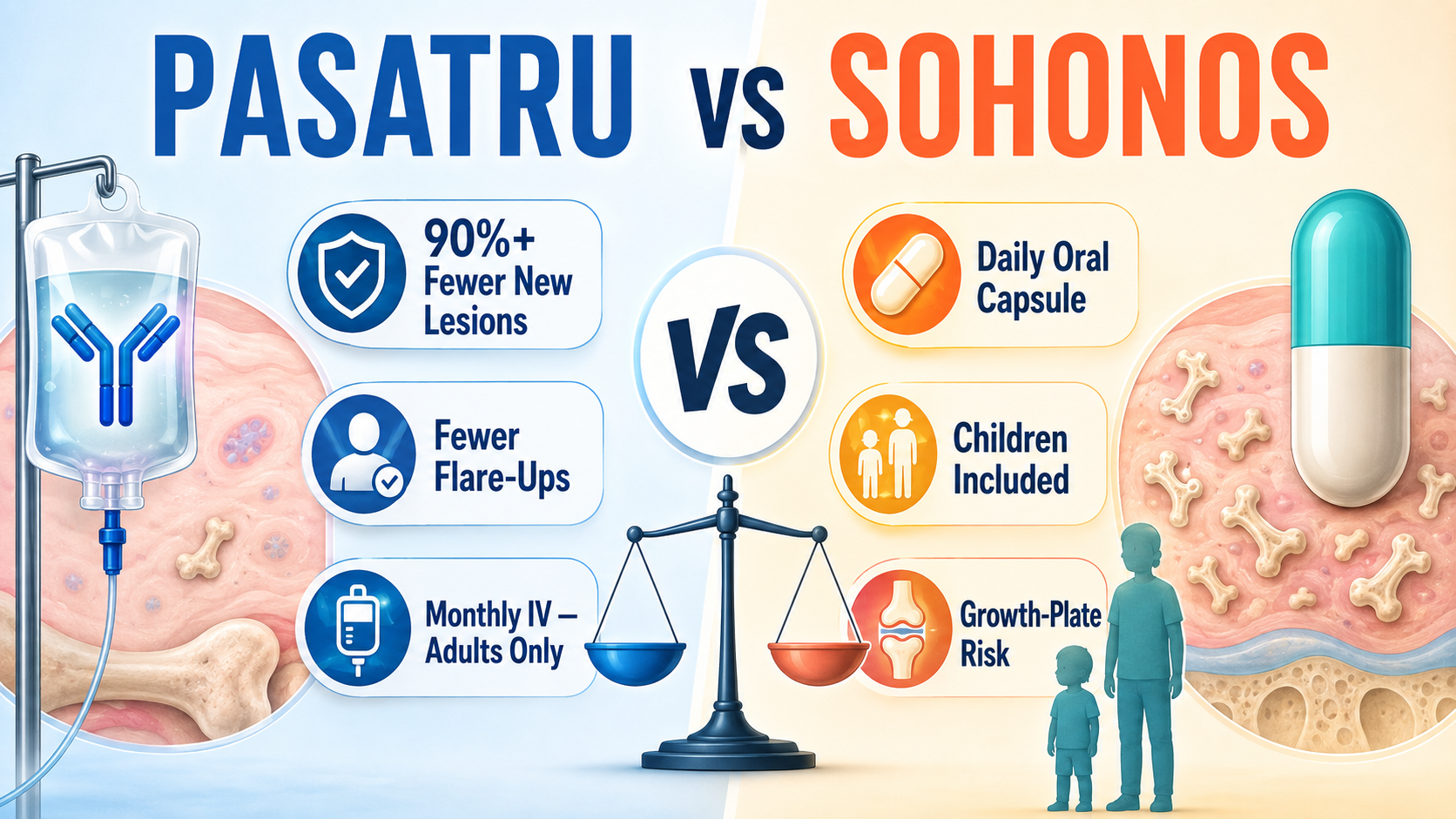
FDA는 8월 19일 리제네론(Regeneron)의 파사트루(Pasatru)(성분명 garetosmab-grts)를 진행성 골화성 섬유 이형증(FOP) 성인 환자의 치료제로 승인했…
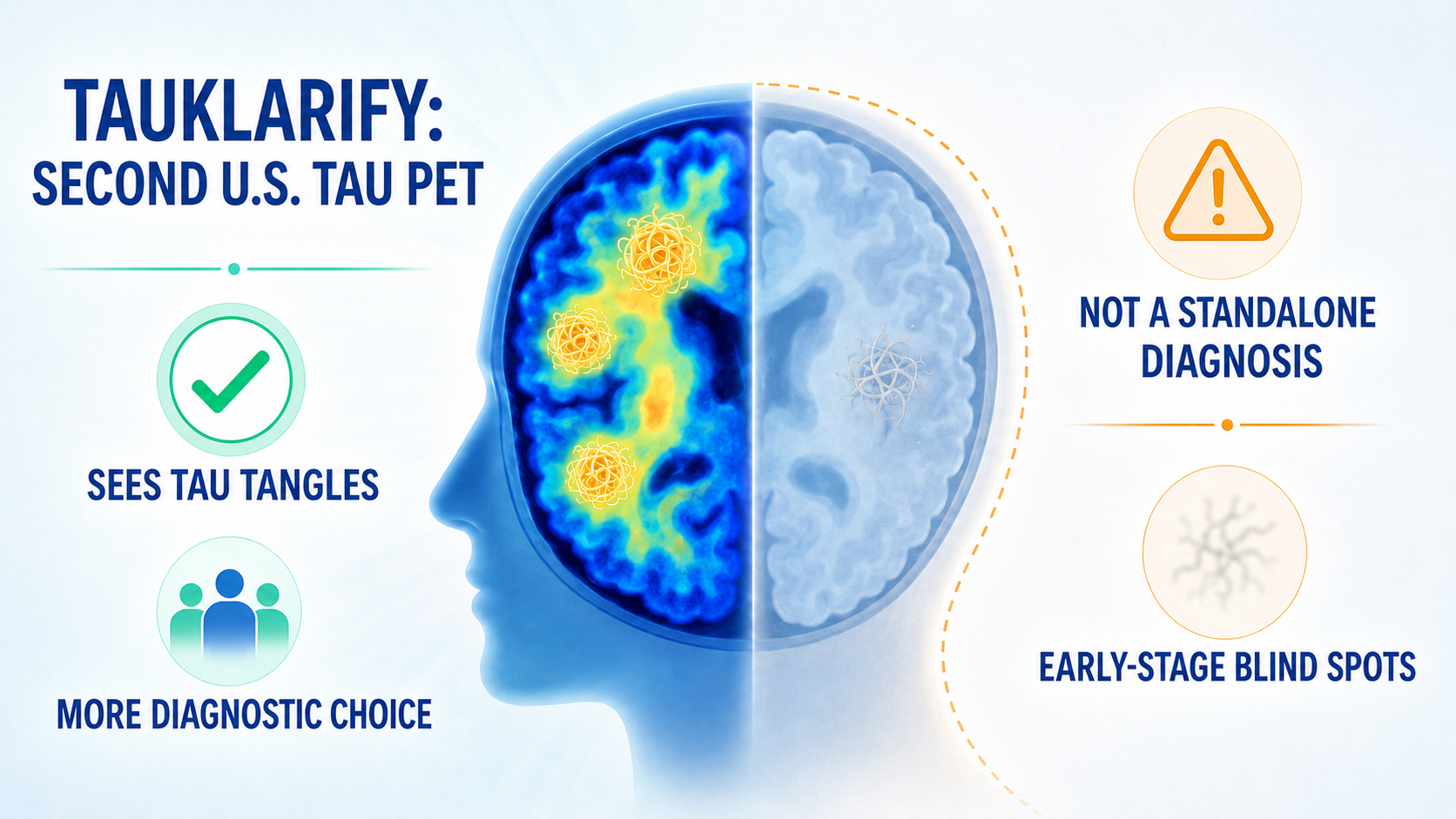
[요약]타우클래리파이(Tauklarify)는 알츠하이머병을 치료하는 약이 아니다. 기억력이나 사고력이 떨어진 성인의 뇌를 PET로 촬영해, 알츠하이머병과 관련된 타우 단백질의 비정…
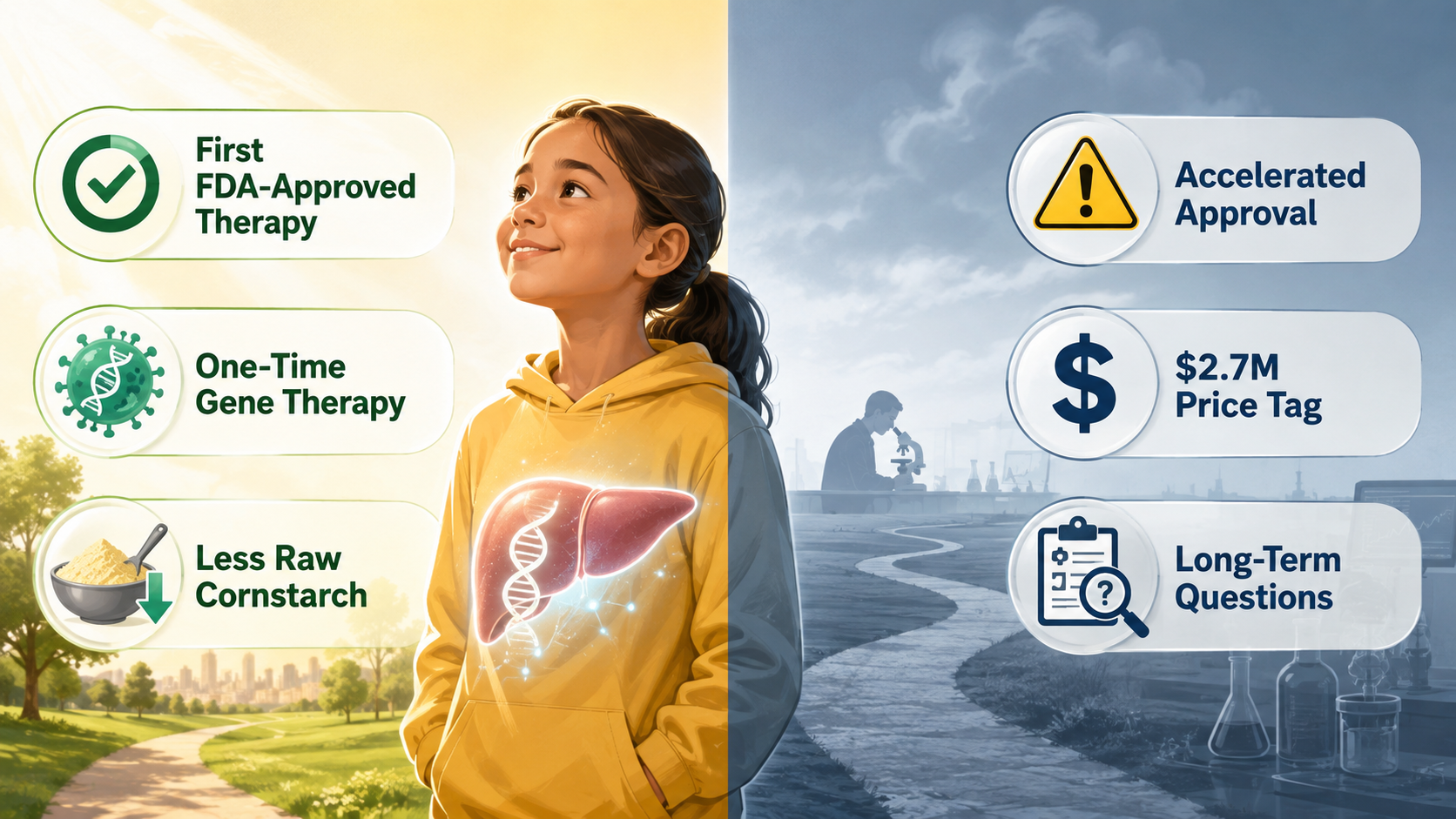
FDA가 울트라제닉스(Ultragenyx)의 겐글리코스(Genglycos)(pariglasgene brecaparvovec-opnr)를 승인했다. 대상은 8세 이상의 글리코겐 저장…

FDA가 사람의 손으로 바늘을 조작하지 않고 혈액을 채취하는 로봇을 처음으로 허가했다. 네덜란드 의료 로봇 기업 비테스트로(Vitestro)가 개발한 ‘알레타(Aletta)’다. …
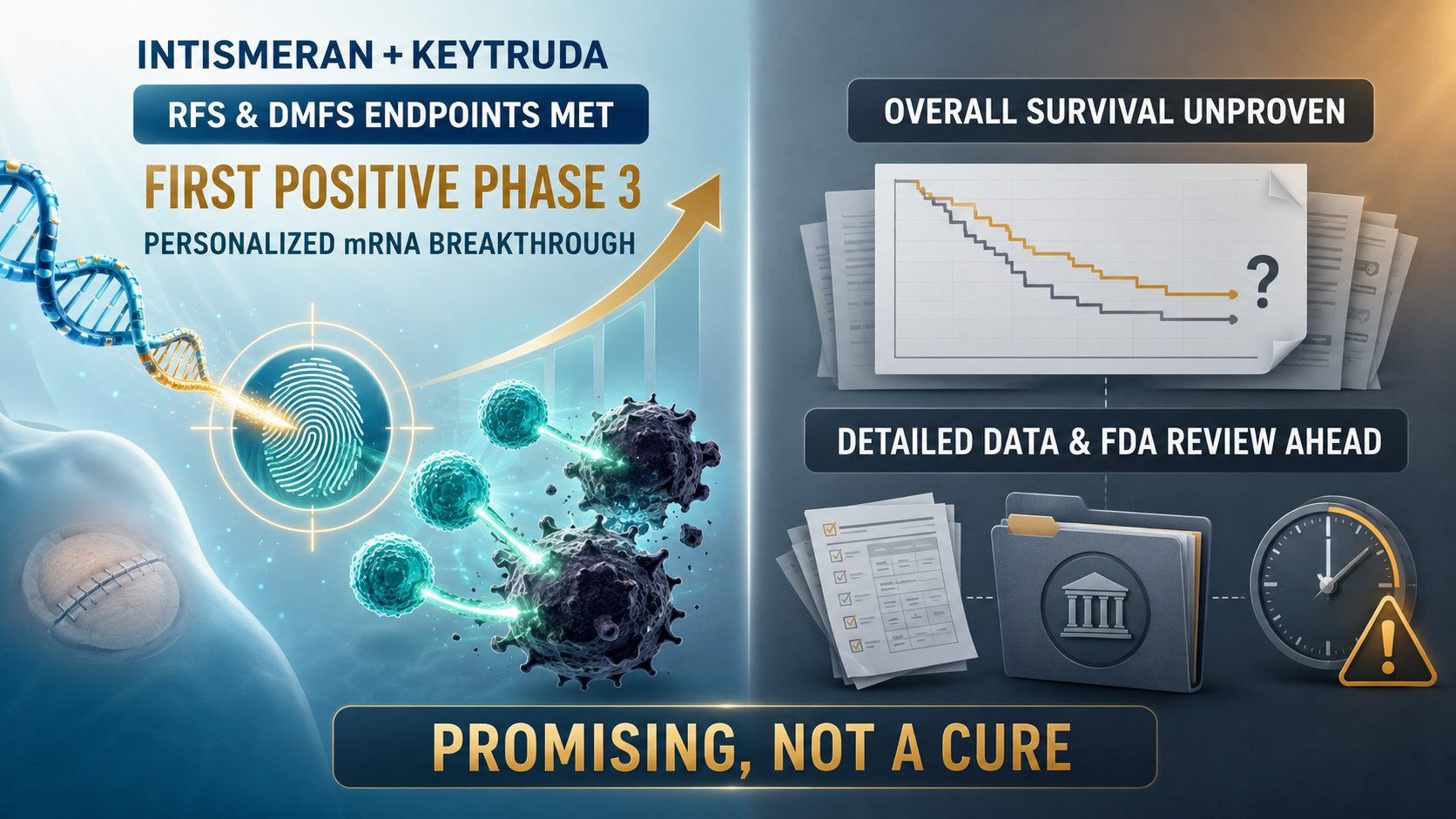
모더나(Moderna)와 머크(Merck)가 맞춤형 mRNA 암 치료제 ‘인티스메란 오토진(intismeran autogene)’의 흑색종 3상 임상 시험에서 성공했다고 8월 19…