<속보>(기사 작성중) 카프리코(Capricor), “FDA가 데라미오셀(Deramiocel)의 심사 완료일을 3개월 늦췄다”(The FDA delayed the completion of the review for Deramiocel by three months)고 발표… 논란 속 기한 연장이 데라미오셀을 살려 낼까?
2026-08-27

Where the Curious Come to Rest

 <속보>’식품 첨가물을 신고’하도록 한 미국 정부의 ‘GRAS'(일반적으로 안전하다고 인정되는) 제도 개혁안에 비판 쇄도… 마리온 네슬레(Marion Nestle) 및 제롤드 맨디(Jerold Mande) 등 전문가들, “기업들은 원하는 첨가물을 언제든지 넣을 수 있다”(plenty of leeway to put whatever they want in their products), “FDA의 법 집행 소홀을 지속시키는 것일 뿐”(continue the FDA’s non-enforcement), “대형 식품 기업들이 승리했다”(Big-food won)… “시판 전 심사 및 승인제 필요”(premarket review and approval needed) 2026-08-12
 [긴급 뉴스]FDA도 몰랐던 식품 첨가물, 앞으로는 반드시 신고해야… 미국, ‘기업 자율 판단’에 맡겼던 ‘GRAS'(일반적으로 안전하다고 인정되는) 제도 70년 만에 대수술(A major overhaul after 70 years)… ‘초가공 식품'(UPF) 규제도 시작… 소비자들의 오랜 숙원을 해결하는 첫 걸음이 될까(Will this be the first step toward fulfilling consumers’ long-held wish?) 2026-08-11
 진통 효과가 빠른 타이레놀(Tylenol)과 지속 시간이 긴 앨리브(Aleve)를 합친 ‘복합 타이레놀’이 나온다… FDA, 아세트아미노펜(Acetaminophen)과 나프록센 나트륨(Naproxen Sodium) 복합제(Fixed-Dose Combination)를 비처방약(Nonprescription)으로 승인… 12시간 통증 효과 경쟁 시작 2026-07-27
미국 FDA와 유럽의약품청(EMA)은 수 개월 간의 협력 끝에 의약품 제품 수명 주기의 모든 단계에서 증거 생성을 위한 인공지능(AI) 활용을 알리고, 강화하고, 촉진하기 위한 ’10가지 공동 지침 원칙’을 1월 14일 발표했다.
FDA는 인공지능(AI)을 신약 개발에 통합하면 신약 개발 및 평가 방식을 혁신적으로 변화시켜 궁극적으로 의료 서비스를 개선할 수 있는 잠재력이 있다고 밝혔다. FDA는 AI 기술은 혁신을 촉진하고, 제품 출시 기간을 단축하며, 규제 및 약물 감시 체계를 강화하고, 인체 독성 및 효능 예측 정확도를 높여 동물 실험 의존도를 줄이는 데에 도움이 될 것으로 기대된다고 설명했다. FDA는 이 10가지 기본 원칙은 이러한 기술의 고유한 특성을 고려한 모범 사례를 개발하고 국제 규제 기관, 국제 표준 기구 및 기타 협력 기관 간의 잠재적 협력 영역을 파악하는 토대를 마련한다고 덧붙였다.
https://mail.google.com/mail/u/0/?tab=rm&ogbl#inbox/FMfcgzQfBQDcgxhwxtVVsPXgpqZTbMhL

<10개 원칙>
–인간 중심적 설계(Human-centric by design): The development and use of AI technologies align with ethical and human-centric values.
–위험 기반 접근 방식(Risk-based approach): The development and use of AI technologies follow a risk-based approach with proportionate validation, risk mitigation, and oversight based on the context of use and determined model risk.
–표준 준수(Adherence to standards): AI technologies adhere to relevant legal, ethical, technical, scientific, cybersecurity, and regulatory standards, including Good Practices (GxP).
–명확한 사용 맥락(Clear context of use): AI technologies have a well-defined context of use (role and scope for why it is being used).
–다학제적 전문성(Multidisciplinary expertise): Multidisciplinary expertise covering both the AI technology and its context of use are integrated throughout the technology’s life cycle.
–데이터 거버넌스 및 문서화(Data governance and documentation): Data source provenance, processing steps, and analytical decisions are documented in a detailed, traceable, and verifiable manner, in line with GxP requirements. Appropriate governance, including privacy and protection for sensitive data, is maintained throughout the technology’s life cycle.
–모델 설계 및 개발 실무(Model design and development practices): The development of AI technologies follows best practices in model and system design and software engineering and leverages data that is fit-for-use, considering interpretability, explainability, and predictive performance. Good model and system development promotes transparency, reliability, generalizability, and robustness for AI technologies contributing to patient safety.
–위험 기반 성과 평가(Risk-based performance assessment): Risk-based performance assessments evaluate the complete system including human-AI interactions, using fit-for-use data and metrics appropriate for the intended context of use, supported by validation of predictive performance through appropriately designed testing and evaluation methods.
–생명 주기 관리(Life cycle management): Risk-based quality management systems are implemented throughout the AI technologies’ life cycles, including to support capturing, assessing, and addressing issues. The AI technologies undergo scheduled monitoring and periodic re-evaluation to ensure adequate performance (e.g., to address data drift).
–명확하고 필수적인 정보(Clear, essential information): Plain language is used to present clear, accessible, and contextually relevant information to the intended audience, including users and patients, regarding the AI technology’s context of use, performance, limitations, underlying data, updates, and interpretability or explainability.
<이 발표가 갖는 의미>
이 발표는 “AI를 신약 개발 전 과정(비임상에서 제조까지)에 적극 쓰되, 환자 안전을 최우선으로 하면서 국제적으로 비슷한 기준으로 가자”는 선언에 해당한다. 미국과 유럽의 이같은 AI 관련 협력에 따라 신약 개발이 더 빠르고 정확해질 수 있는 길이 열릴 것으로 보인다. 우선은 시간이 단축되고 동물 실험이 감소될 것이다. 그러나 AI를 잘못 쓰면 위험하므로 인간 중심, 위험도 기반, 투명성 확보 같은 안전장치를 미리 국제 공통 기준으로 세우자는 것이다. FDA와 EMA가 같은 방향을 잡았다는 것은 앞으로 전 세계 규제 기관들이 비슷한 잣대로 AI 관련 신약 심사할 가능성이 커졌다는 뜻이기도 하다. 제약사 입장에서는 AI를 적극적으로 활용하되 이 10가지 원칙을 지키면서 써야 허가를 잘 받을 수 있다는 일종의 가이드라인이 생기는 셈이다.

*카프리코의 발표문: https://www.capricor.com/investors/news-events/press-releases/detail/354/capricor-therap…
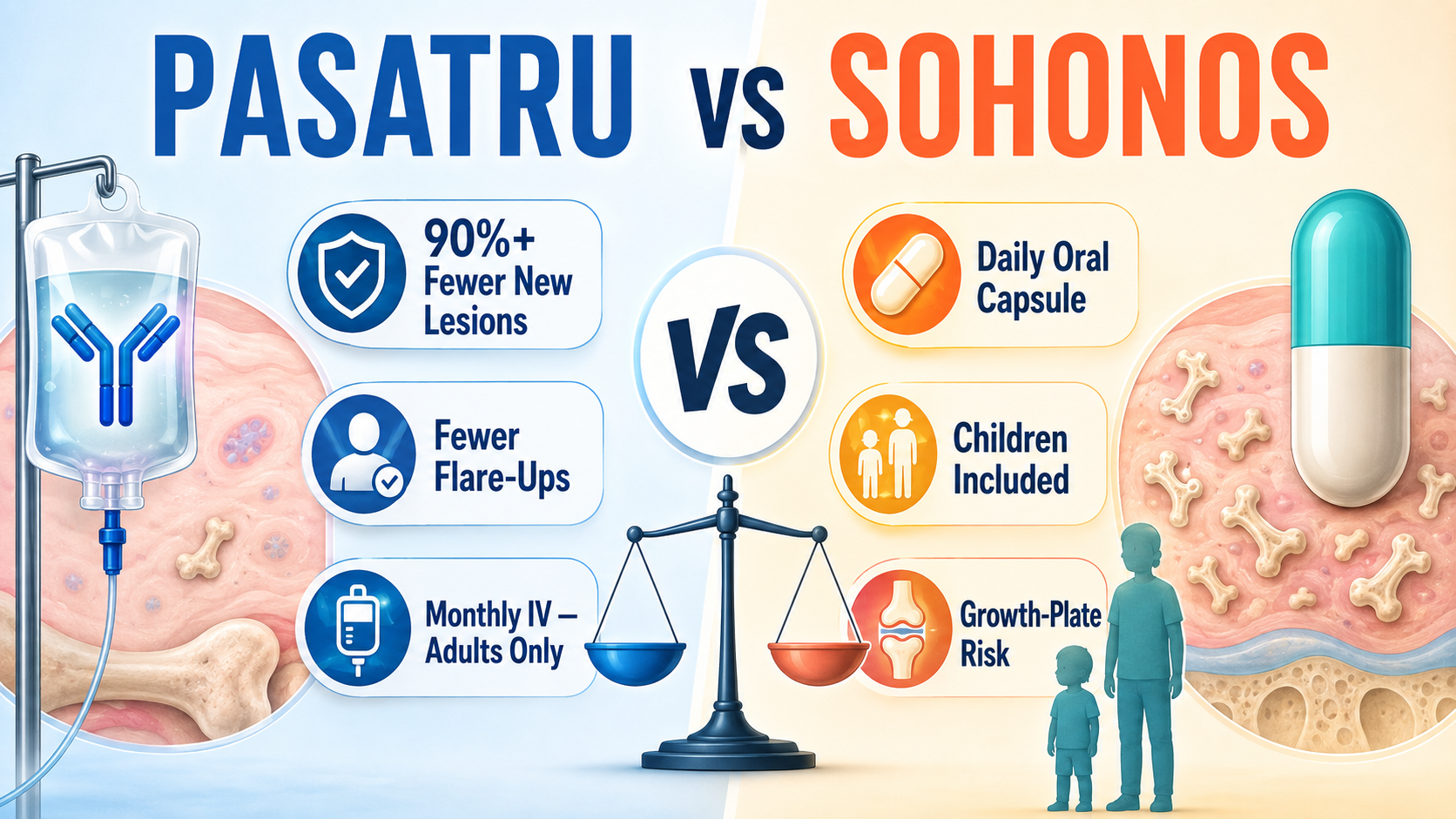
FDA는 8월 19일 리제네론(Regeneron)의 파사트루(Pasatru)(성분명 garetosmab-grts)를 진행성 골화성 섬유 이형증(FOP) 성인 환자의 치료제로 승인했…
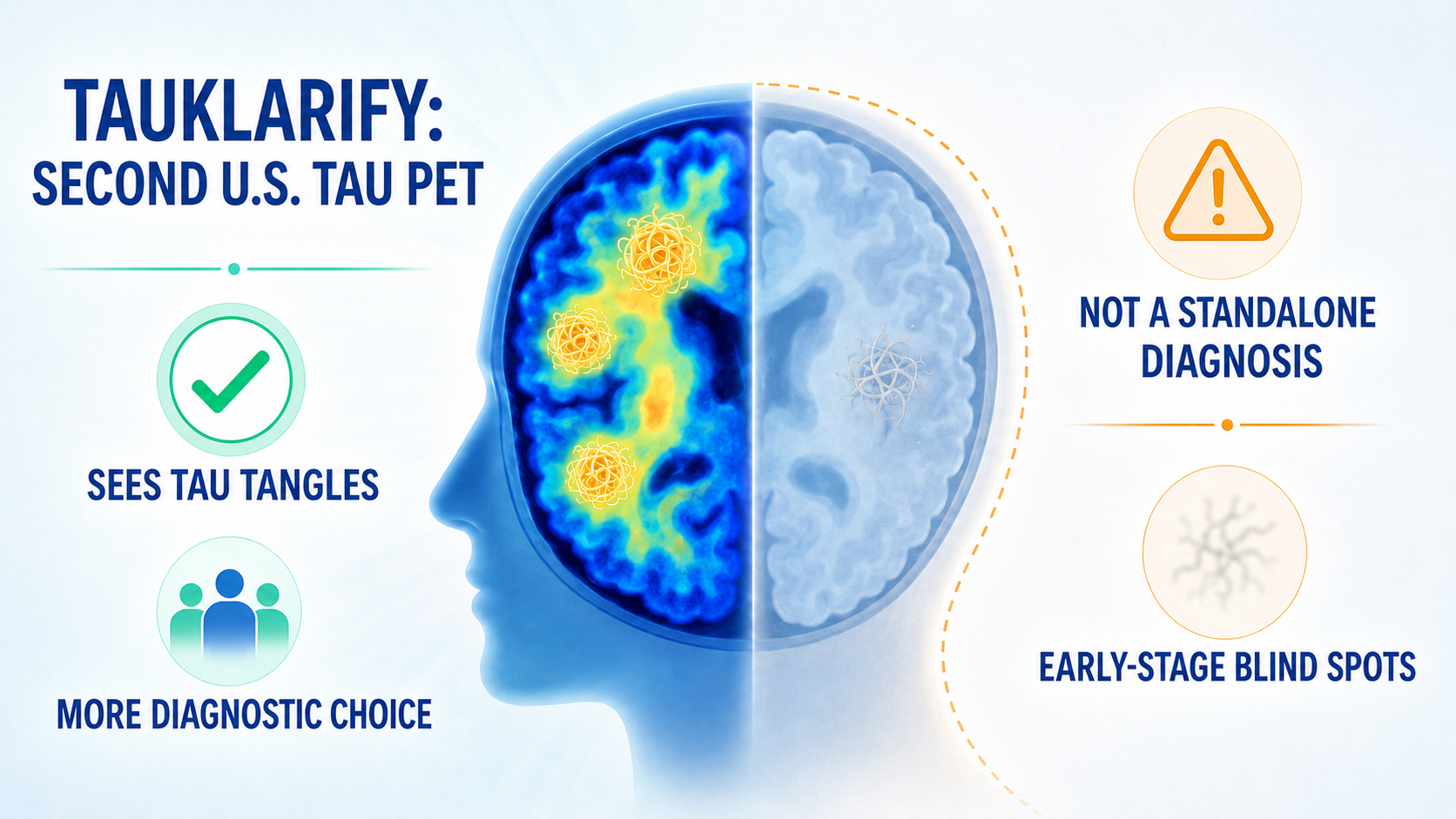
[요약]타우클래리파이(Tauklarify)는 알츠하이머병을 치료하는 약이 아니다. 기억력이나 사고력이 떨어진 성인의 뇌를 PET로 촬영해, 알츠하이머병과 관련된 타우 단백질의 비정…
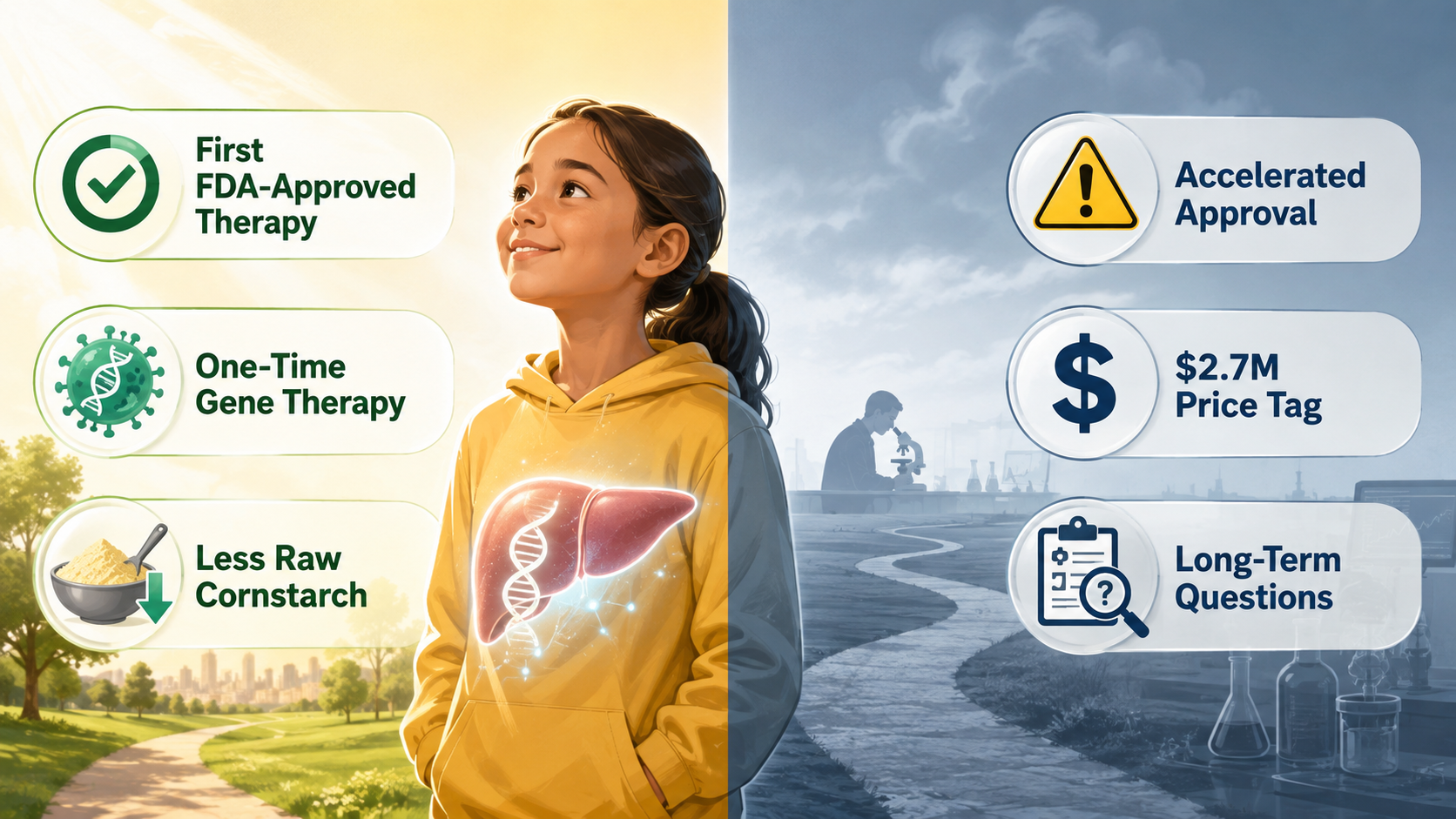
FDA가 울트라제닉스(Ultragenyx)의 겐글리코스(Genglycos)(pariglasgene brecaparvovec-opnr)를 승인했다. 대상은 8세 이상의 글리코겐 저장…
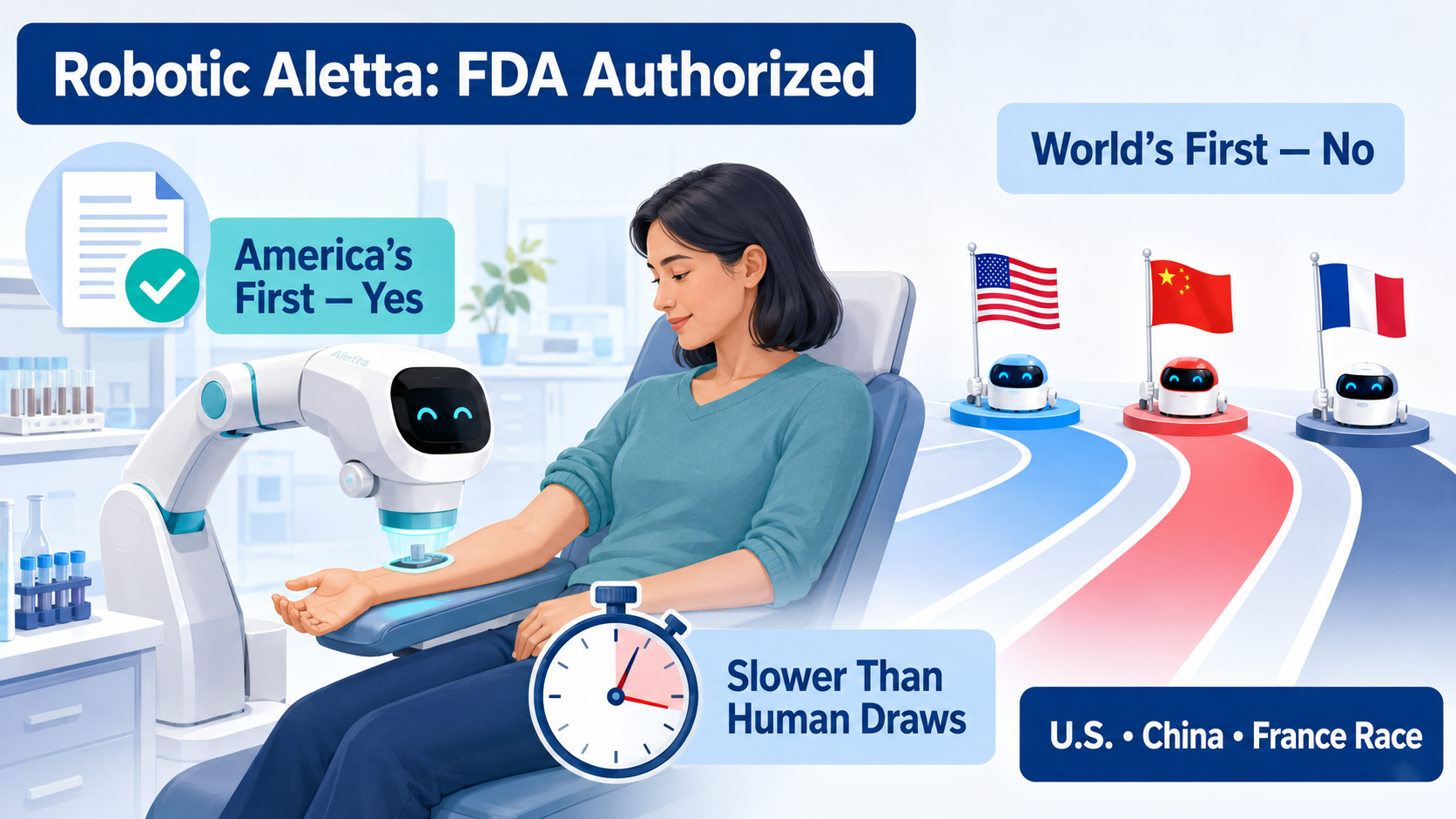
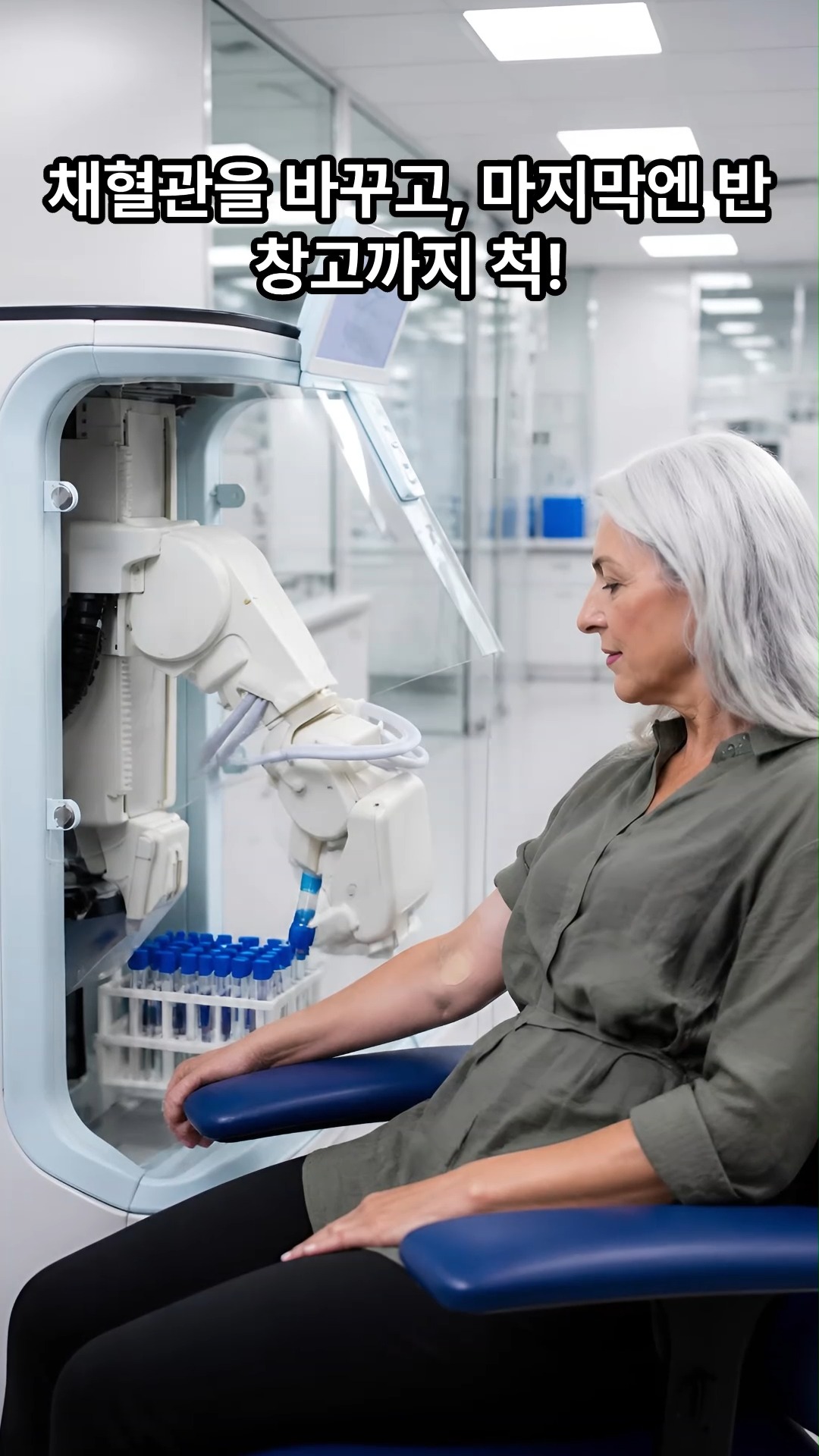
FDA가 사람의 손으로 바늘을 조작하지 않고 혈액을 채취하는 로봇을 처음으로 허가했다. 네덜란드 의료 로봇 기업 비테스트로(Vitestro)가 개발한 ‘알레타(Aletta)’다. …
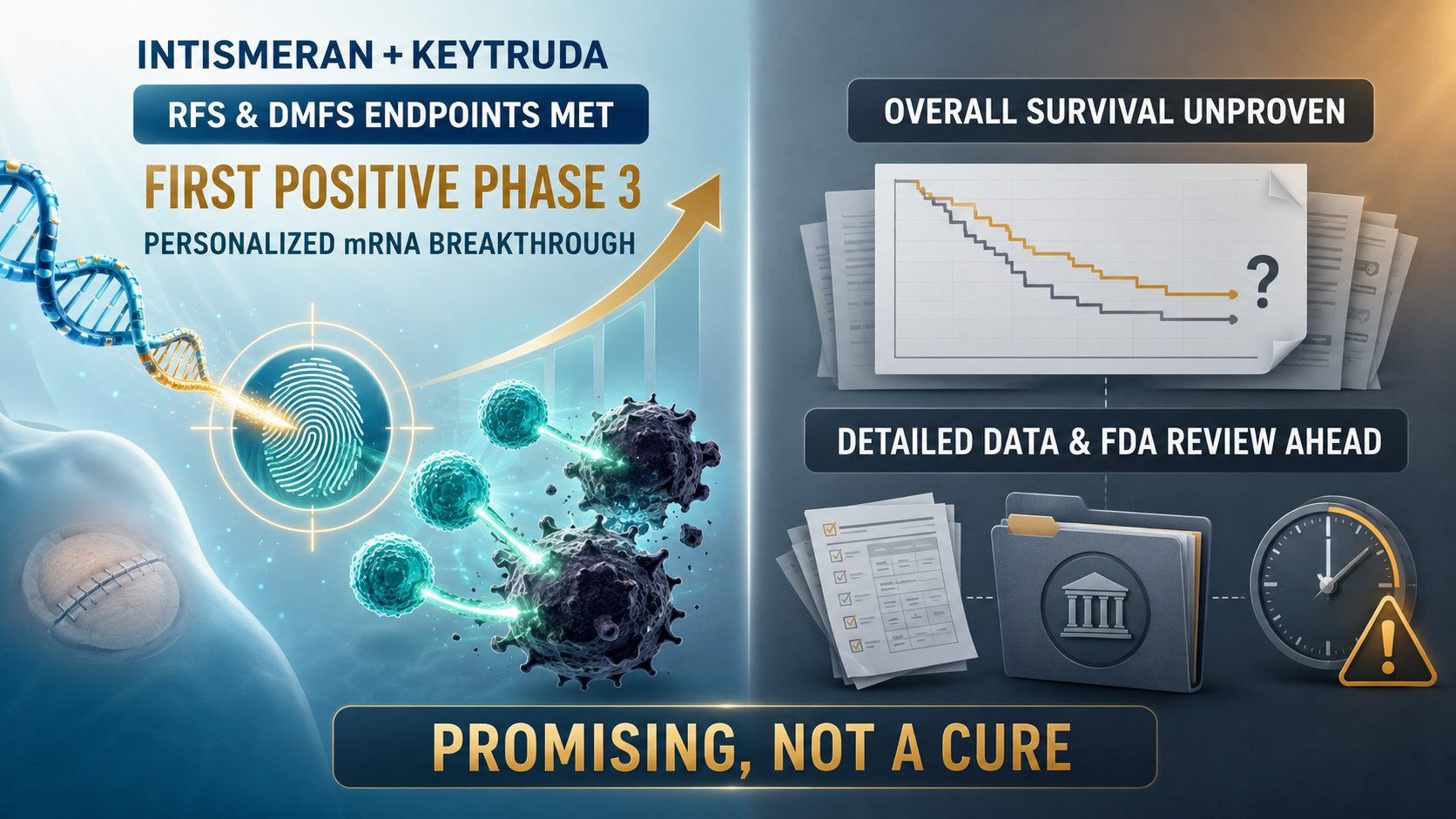
모더나(Moderna)와 머크(Merck)가 맞춤형 mRNA 암 치료제 ‘인티스메란 오토진(intismeran autogene)’의 흑색종 3상 임상 시험에서 성공했다고 8월 19…