<속보>(기사 작성중) 카프리코(Capricor), “FDA가 데라미오셀(Deramiocel)의 심사 완료일을 3개월 늦췄다”(The FDA delayed the completion of the review for Deramiocel by three months)고 발표… 논란 속 기한 연장이 데라미오셀을 살려 낼까?
2026-08-27

Where the Curious Come to Rest

 <속보>’식품 첨가물을 신고’하도록 한 미국 정부의 ‘GRAS'(일반적으로 안전하다고 인정되는) 제도 개혁안에 비판 쇄도… 마리온 네슬레(Marion Nestle) 및 제롤드 맨디(Jerold Mande) 등 전문가들, “기업들은 원하는 첨가물을 언제든지 넣을 수 있다”(plenty of leeway to put whatever they want in their products), “FDA의 법 집행 소홀을 지속시키는 것일 뿐”(continue the FDA’s non-enforcement), “대형 식품 기업들이 승리했다”(Big-food won)… “시판 전 심사 및 승인제 필요”(premarket review and approval needed) 2026-08-12
 [긴급 뉴스]FDA도 몰랐던 식품 첨가물, 앞으로는 반드시 신고해야… 미국, ‘기업 자율 판단’에 맡겼던 ‘GRAS'(일반적으로 안전하다고 인정되는) 제도 70년 만에 대수술(A major overhaul after 70 years)… ‘초가공 식품'(UPF) 규제도 시작… 소비자들의 오랜 숙원을 해결하는 첫 걸음이 될까(Will this be the first step toward fulfilling consumers’ long-held wish?) 2026-08-11
 진통 효과가 빠른 타이레놀(Tylenol)과 지속 시간이 긴 앨리브(Aleve)를 합친 ‘복합 타이레놀’이 나온다… FDA, 아세트아미노펜(Acetaminophen)과 나프록센 나트륨(Naproxen Sodium) 복합제(Fixed-Dose Combination)를 비처방약(Nonprescription)으로 승인… 12시간 통증 효과 경쟁 시작 2026-07-27
출처: FDA Press Release
미국 FDA(식품의약청)은 2025년 12월 3일, 말초 신경 손상 환자의 감각 신경 불연속성을 치료하기 위한 무세포 신경 이식편(acellular nerve allograft)인 ‘Avance’를 승인했다고 발표했다. 이번 승인은 성인 및 1개월 이상 소아 환자를 대상으로 하며, 신경 간격이 25mm 이하인 감각 신경 손상에 적용된다.
Avance는 기증받은 인체 조직(사체)을 특수 처리하여 세포를 제거하고 신경 구조만 남긴 제품으로, 환자 자신의 다른 신체 부위에서 신경을 채취해야 하는 기존 자가 이식 수술의 필요성을 없앤 것이 특징이다. 이는 환자에게 두 번째 수술 부위를 만들지 않아도 된다는 점에서 외과적 부담을 크게 줄일 것으로 기대된다.
FDA 생물의약품평가연구센터(CBER) 치료제 부서의 Vijay Kumar 박사는 “기존 치료법인 자가 이식은 한계가 있었다”며, “이번 승인은 말초 신경 손상 환자들의 충족되지 않은 의료 수요를 해결하는 중요한 진전”이라고 평가했다. 또한 FDA는 가속 승인(Accelerated Approval) 경로를 통해 25mm를 초과하는 신경 손상이나 운동/혼합 신경 손상에 대해서도 추가적인 임상적 이점을 입증하는 조건으로 사용을 허가했다.
*FDA 보도 자료 전문
For Immediate Release:December 03, 2025
The U.S. Food and Drug Administration today granted approval for Avance (acellular nerve allograft-arwx) in surgical implantation. Avance is a peripheral nerve scaffold approved for sensory nerve discontinuities (≤25mm) (breaks in the pathway of sensory nerves) in adults and pediatric patients aged one month and older. Under the Accelerated Approval pathway, Avance is also approved for larger sensory nerve discontinuities (>25mm), motor and mixed nerve discontinuities.
Avance was studied in patients with sensory nerve discontinuities and additional investigations of mixed and motor nerve discontinuities.
“Avance can bridge gaps in damaged nerves and support nerve function restoration,” said Vinay Prasad, M.D., M.P.H., Chief Medical and Scientific Officer and Director of the FDA’s Center for Biologics Evaluation and Research. “Current treatment options, such as autografts, have limitations, so this approval addresses a significant unmet medical need for patients with peripheral nerve injuries.”
Unlike some current treatments that require surgeons to remove healthy nerve tissue from another part of the patient’s body (creating a second surgical site), Avance is made using nerve tissue from deceased donors (cadavers) that has been specially processed to remove cells while preserving the natural structure that helps nerves regrow.
“Avance eliminates the need for patients to undergo additional surgery to harvest their own nerve tissue for repair,” said Vijay Kumar, M.D., Acting Director of the Office of Therapeutic Products, CBER. “The agency has exercised regulatory flexibility in expanding the indication for Avance to motor and mixed nerve injuries, and sensory nerves with gaps exceeding 25 mm, through the Accelerated Approval pathway based on a surrogate endpoint that is reasonably likely to predict clinical benefit. The accelerated approval is subject to the requirement that the applicant conduct and submit the results of confirmatory clinical trials.”
The study of Avance’s efficacy compared implantation of Avance to collagen nerve cuffs. The study met its primary endpoint for the return of sensory function, showing Avance’s statistical non-inferiority to comparator nerve cuff.
The most common adverse reactions reported in clinical trials were procedural pain and increased sensitivity to sensory stimuli, such as touch, temperature, and pain (hyperesthesia). Patients should be monitored for procedural complications including pain, hyperesthesia, infection, implant site swelling, adhesions, hypertrophic scar formation, impaired motor or sensory function, bleeding and neuroma formation. Avance is made from human cadaveric tissue so it may carry a risk of transmitting infectious agents. No cases of transmission of viral diseases have ever been identified for Avance. All infections thought to be transmitted by Avance should be reported to the manufacturer.
FDA approval for Avance was granted to Axogen Corporation.

*카프리코의 발표문: https://www.capricor.com/investors/news-events/press-releases/detail/354/capricor-therap…
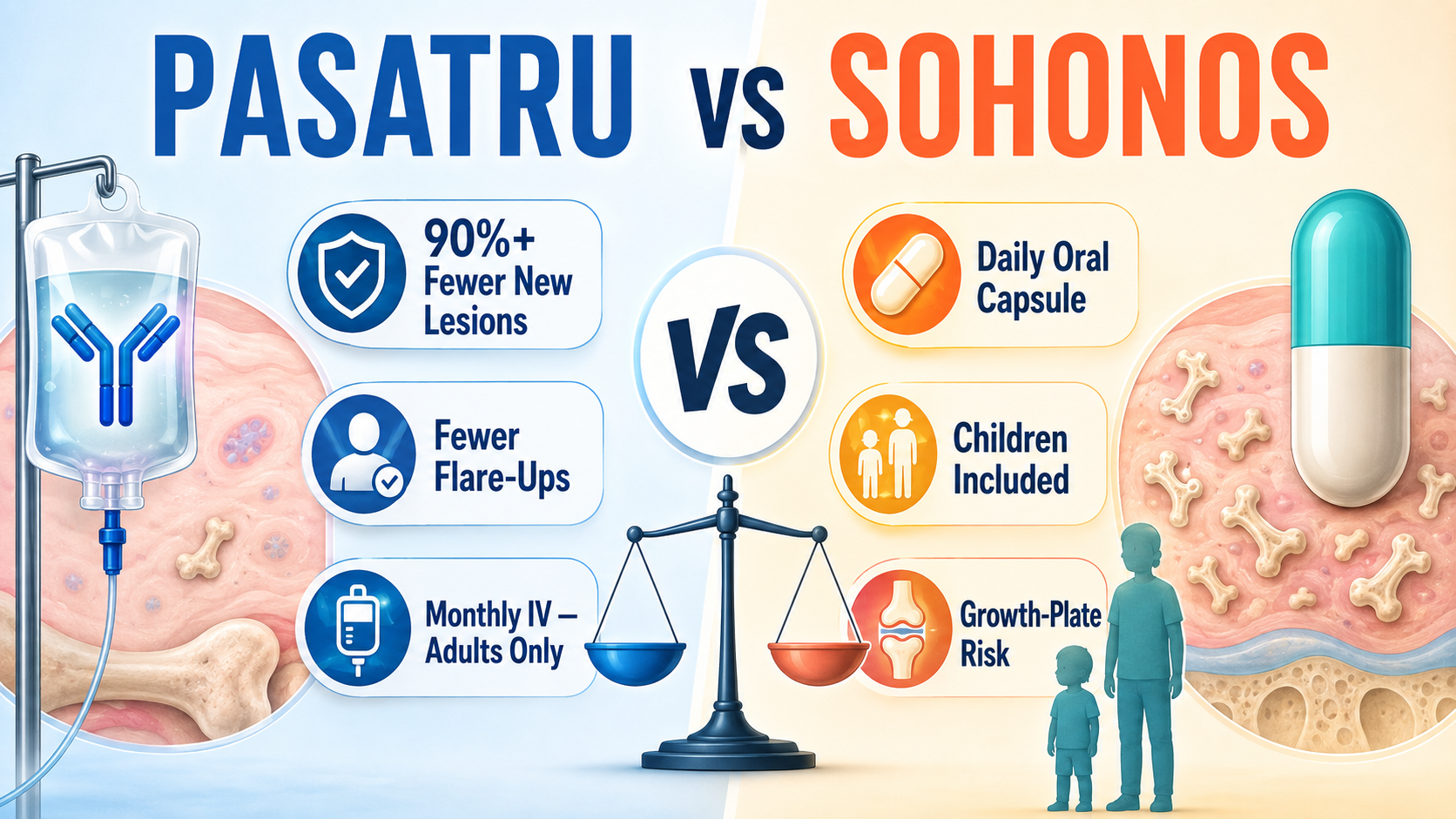
FDA는 8월 19일 리제네론(Regeneron)의 파사트루(Pasatru)(성분명 garetosmab-grts)를 진행성 골화성 섬유 이형증(FOP) 성인 환자의 치료제로 승인했…
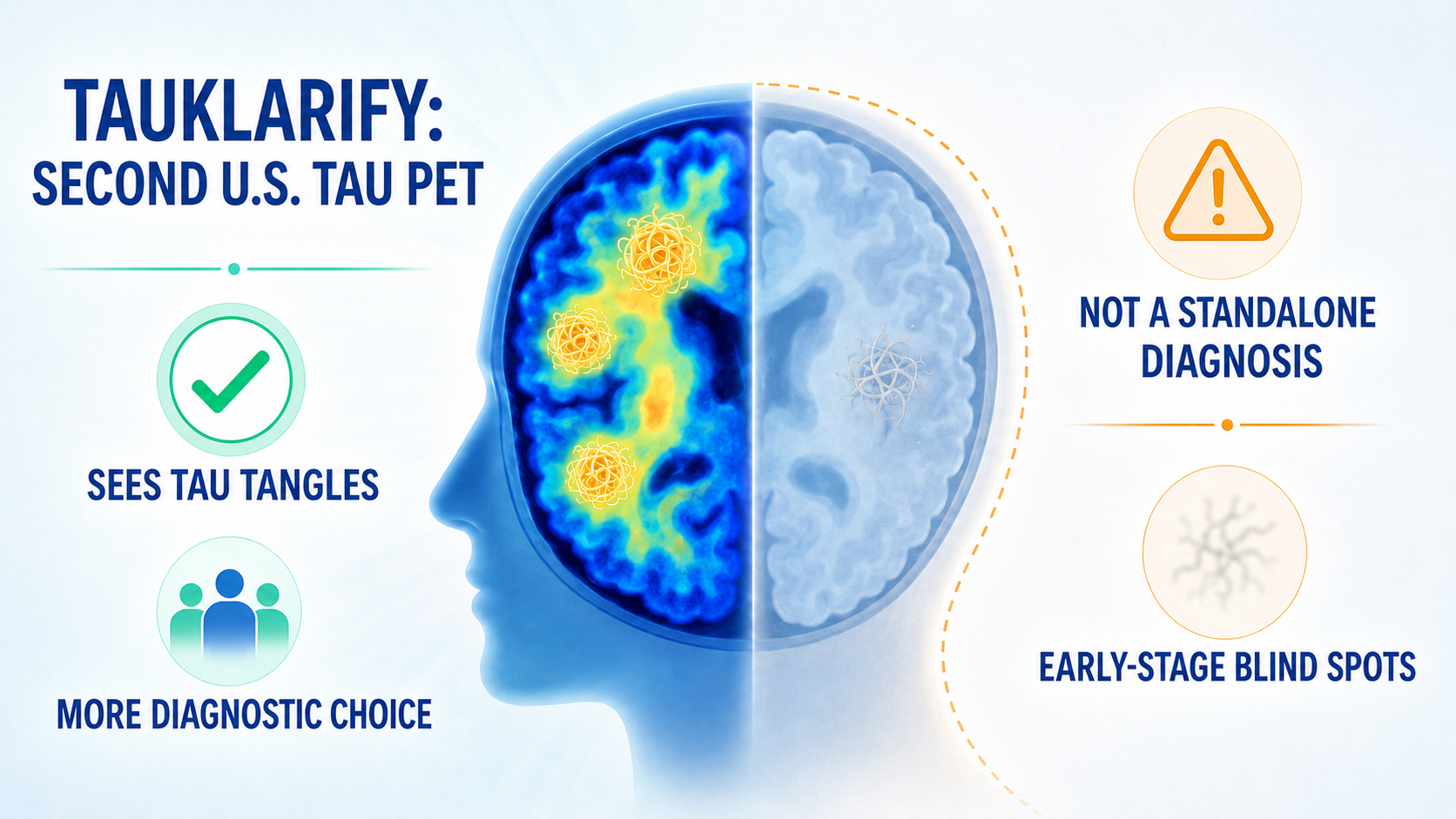
[요약]타우클래리파이(Tauklarify)는 알츠하이머병을 치료하는 약이 아니다. 기억력이나 사고력이 떨어진 성인의 뇌를 PET로 촬영해, 알츠하이머병과 관련된 타우 단백질의 비정…

FDA가 울트라제닉스(Ultragenyx)의 겐글리코스(Genglycos)(pariglasgene brecaparvovec-opnr)를 승인했다. 대상은 8세 이상의 글리코겐 저장…

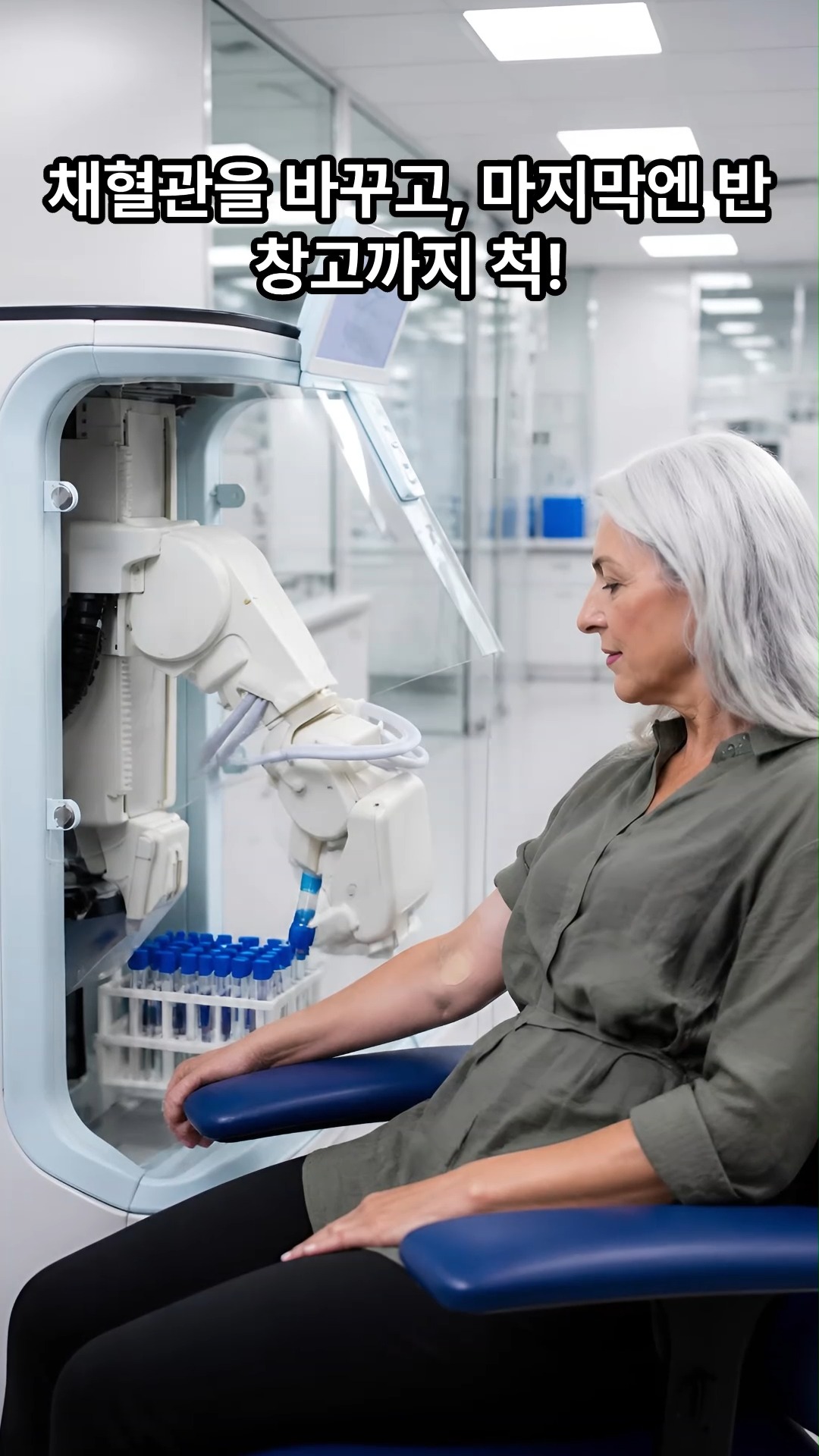
FDA가 사람의 손으로 바늘을 조작하지 않고 혈액을 채취하는 로봇을 처음으로 허가했다. 네덜란드 의료 로봇 기업 비테스트로(Vitestro)가 개발한 ‘알레타(Aletta)’다. …
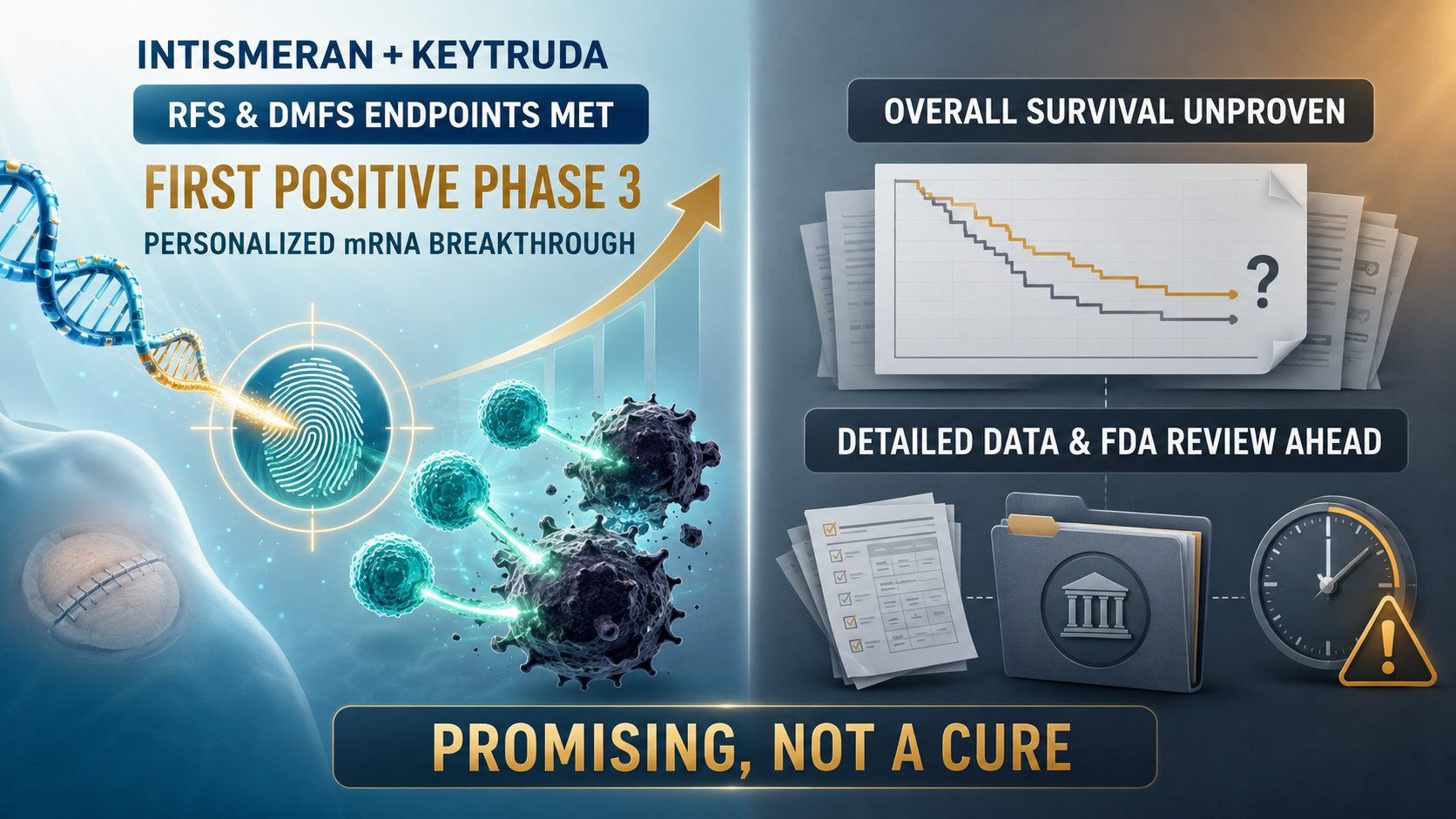
모더나(Moderna)와 머크(Merck)가 맞춤형 mRNA 암 치료제 ‘인티스메란 오토진(intismeran autogene)’의 흑색종 3상 임상 시험에서 성공했다고 8월 19…