<속보>(기사 작성중) 카프리코(Capricor), “FDA가 데라미오셀(Deramiocel)의 심사 완료일을 3개월 늦췄다”(The FDA delayed the completion of the review for Deramiocel by three months)고 발표… 논란 속 기한 연장이 데라미오셀을 살려 낼까?
2026-08-27
Where the Curious Come to Rest
FDA recently announced Regulatory Alignment for Predictable and Immediate Device (“RAPID”) program. RAPID is intended to address a persistent barrier to bringing innovative medical devices to market: delays in obtaining insurance coverage following FDA authorization.
In the past, this delay occurred because the Centers for Medicare and Medicaid Services (“CMS”) typically conducts its own separate evaluation process and requires additional clinical evidence beyond what FDA reviewed. Generally speaking, FDA uses the “reasonable assurance” of safety and effectiveness standard or the “substantial equivalence” standard when reviewing products, whereas CMS analyzes whether a product or solution is reasonable and necessary for the diagnosis or treatment of illness or injury, in order to determine availability of reimbursement. In practice, this meant that a separate set of evidence and data was required, which resulted in a multi-year gap between FDA authorization and CMS reimbursement determination.
RAPID attempts to bridge this gap, thereby offering patients quicker access to innovative technologies and providing greater incentives for innovators to seek FDA and CMS review. Coordinated FDA and CMS review early during the review process means that FDA and CMS personnel will work with sponsors earlier in the review timeline, with the goal of enabling Medicare reimbursement as soon as two months following FDA’s authorization.
To enroll in the RAPID program, the medical device must meet the following criteria:
Sponsors that enroll in the RAPID program (provided that the above criteria can be met) may have opportunities to become early beneficiaries of the quicker reimbursement review process, shortening the commercialization timelines and unlocking potentially new sources of revenue. Importantly, this could also mean that sponsors may have additional reasons to invest in and develop innovative products. In the past, though not always, customers of these technologies typically focused on the improvements that such technologies brought in terms of more efficient workflow and lower administrative costs, rather than direct clinical benefits or reimbursement opportunities, precisely because oftentimes, reimbursement was not available. Now, this calculus could change. The potential for direct reimbursement means that there may be additional incentives for seeking development of innovative medical devices.
The public will have sixty days to submit comments on the RAPID coverage pathway. CMS will review and respond to public comments. While details of the program remain to be seen, this is a promising development for the digital health industry.

*카프리코의 발표문: https://www.capricor.com/investors/news-events/press-releases/detail/354/capricor-therap…
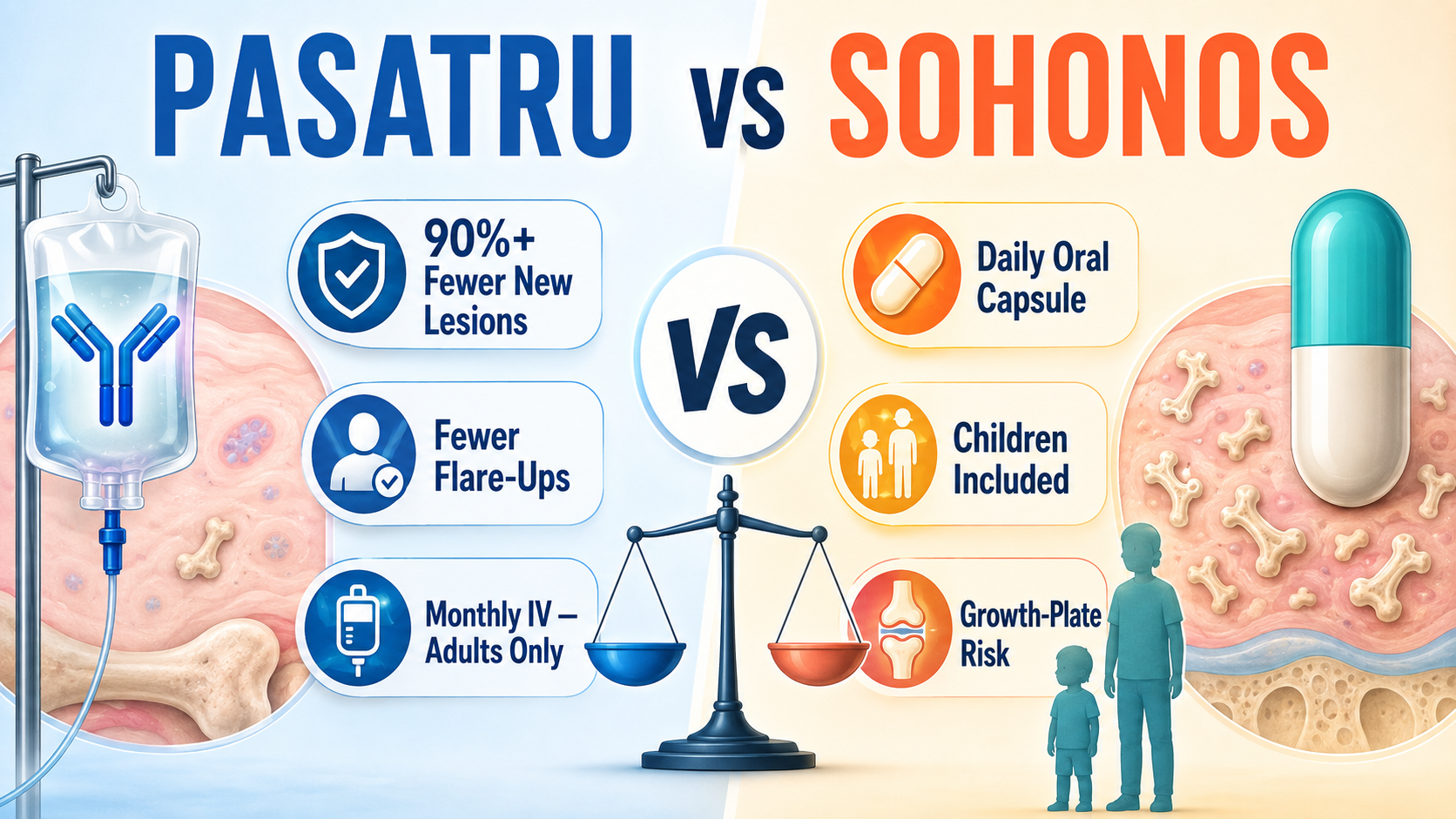
FDA는 8월 19일 리제네론(Regeneron)의 파사트루(Pasatru)(성분명 garetosmab-grts)를 진행성 골화성 섬유 이형증(FOP) 성인 환자의 치료제로 승인했…
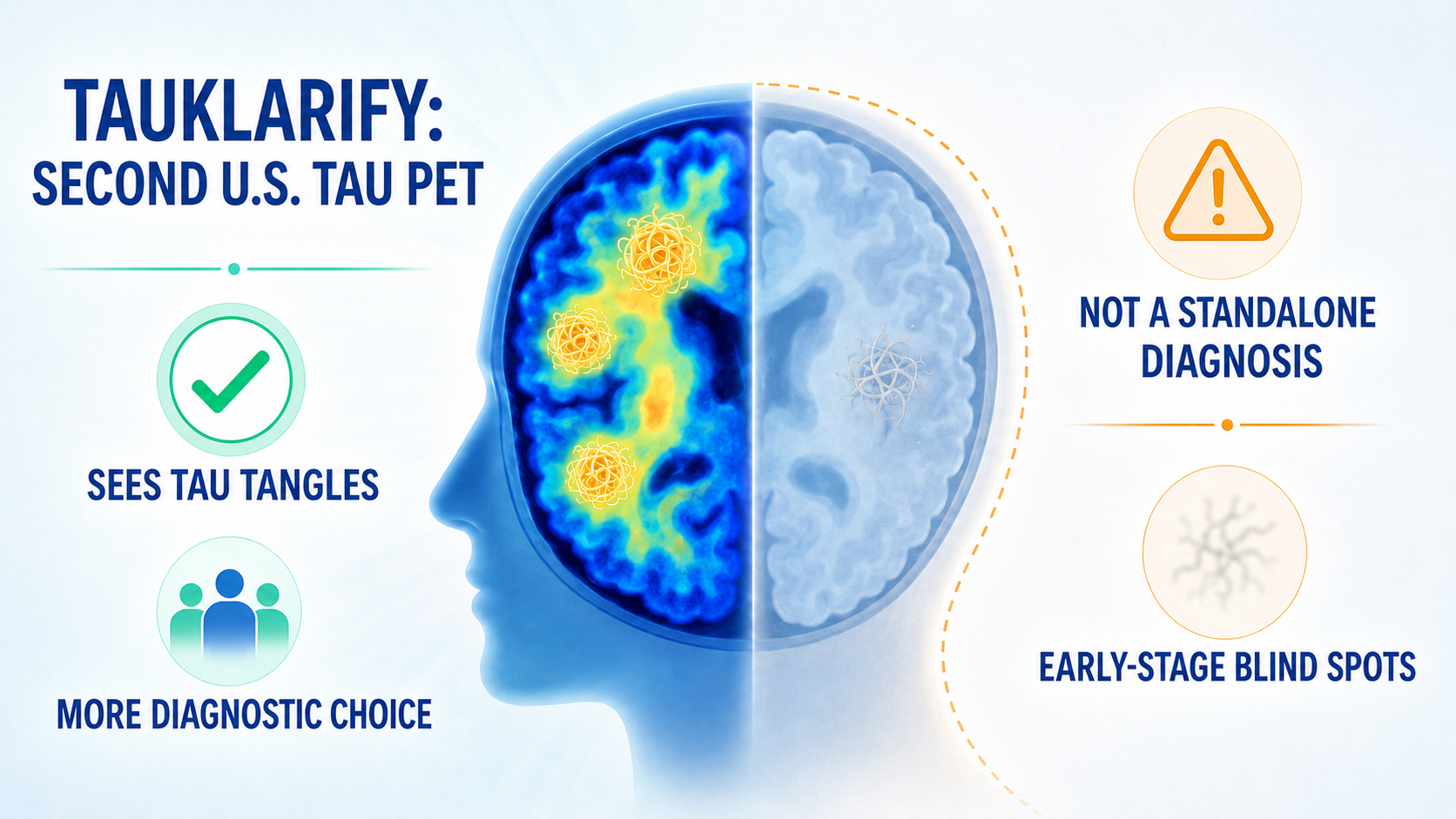
[요약]타우클래리파이(Tauklarify)는 알츠하이머병을 치료하는 약이 아니다. 기억력이나 사고력이 떨어진 성인의 뇌를 PET로 촬영해, 알츠하이머병과 관련된 타우 단백질의 비정…
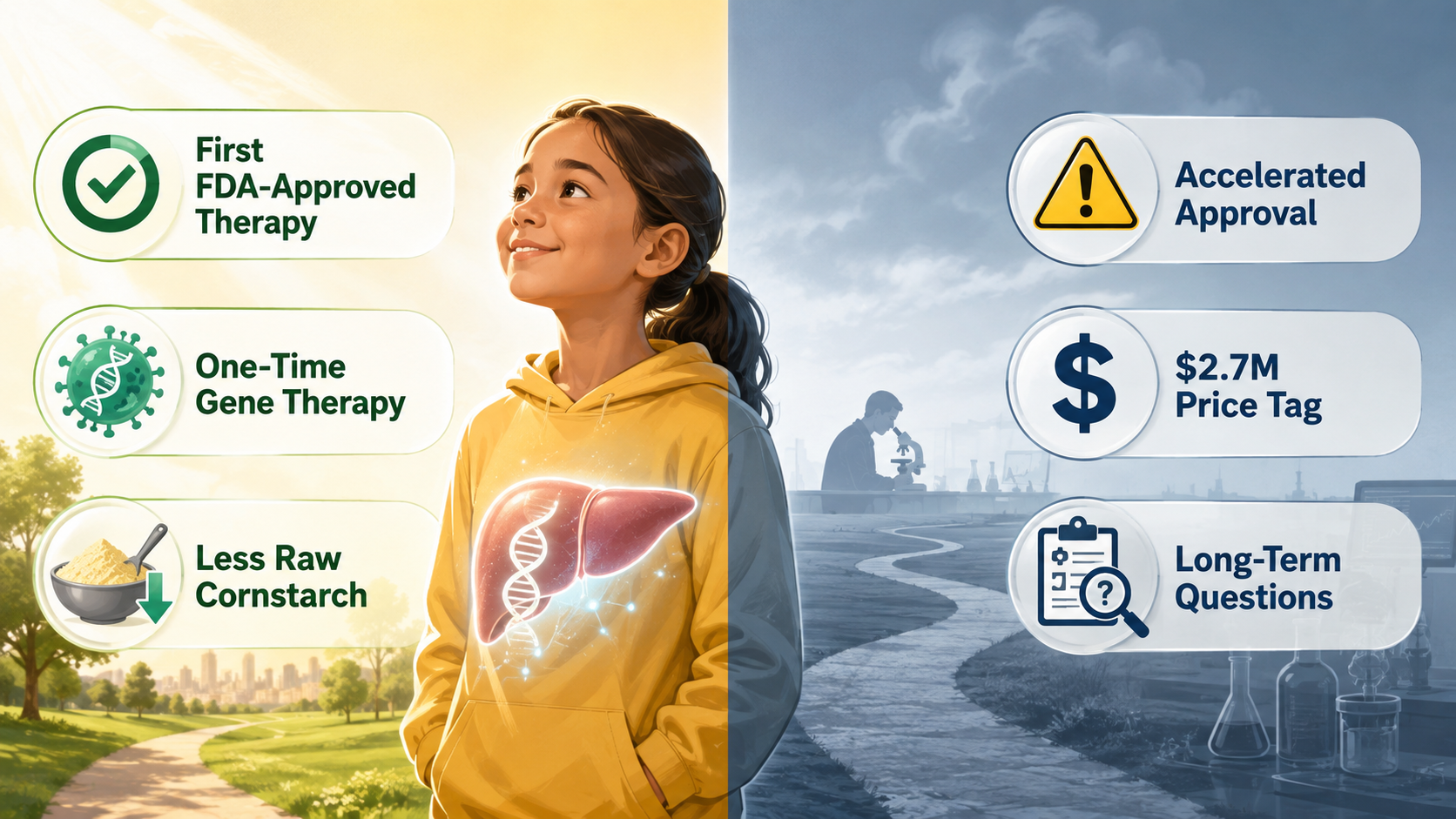
FDA가 울트라제닉스(Ultragenyx)의 겐글리코스(Genglycos)(pariglasgene brecaparvovec-opnr)를 승인했다. 대상은 8세 이상의 글리코겐 저장…
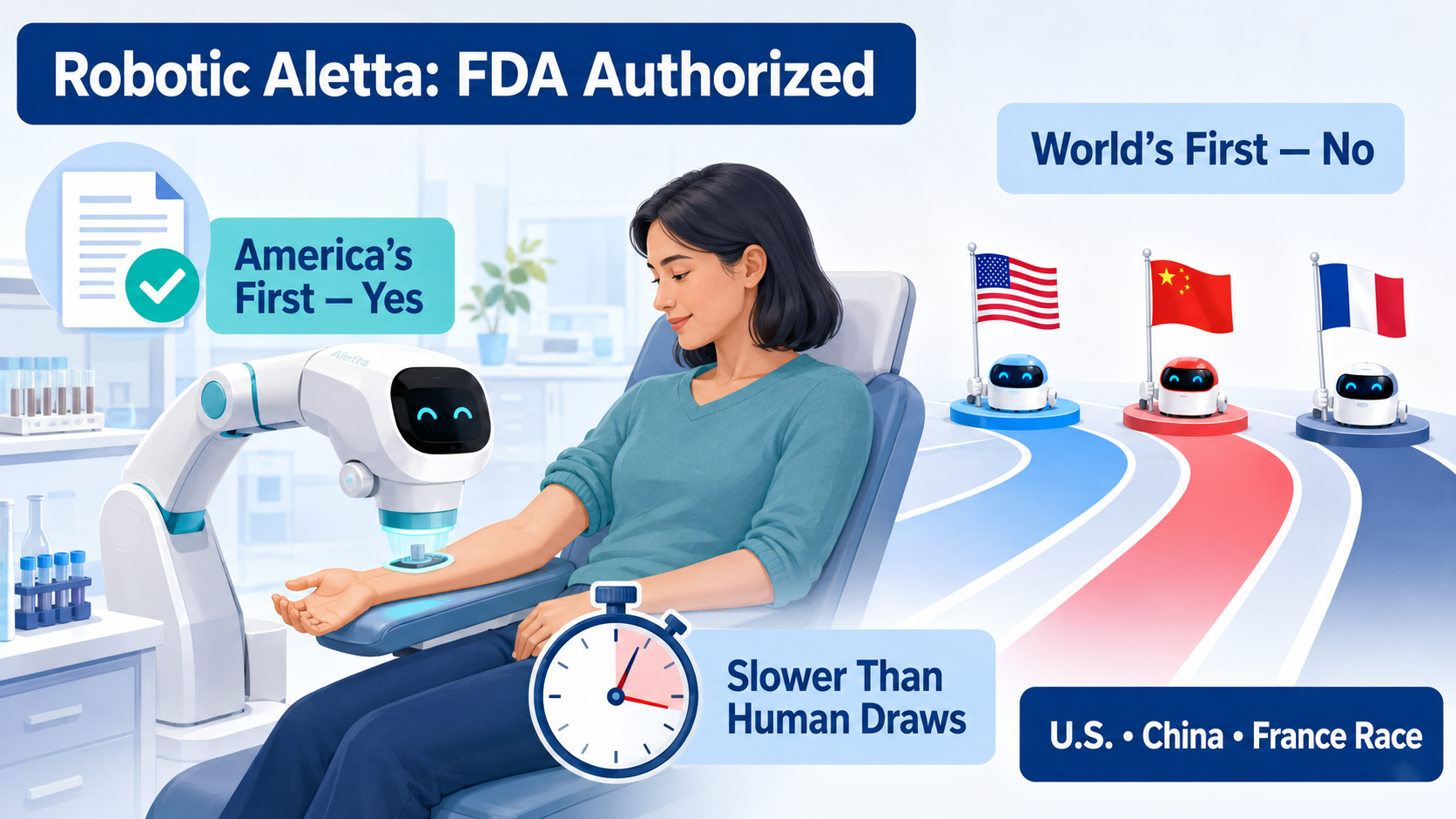
FDA가 사람의 손으로 바늘을 조작하지 않고 혈액을 채취하는 로봇을 처음으로 허가했다. 네덜란드 의료 로봇 기업 비테스트로(Vitestro)가 개발한 ‘알레타(Aletta)’다. …
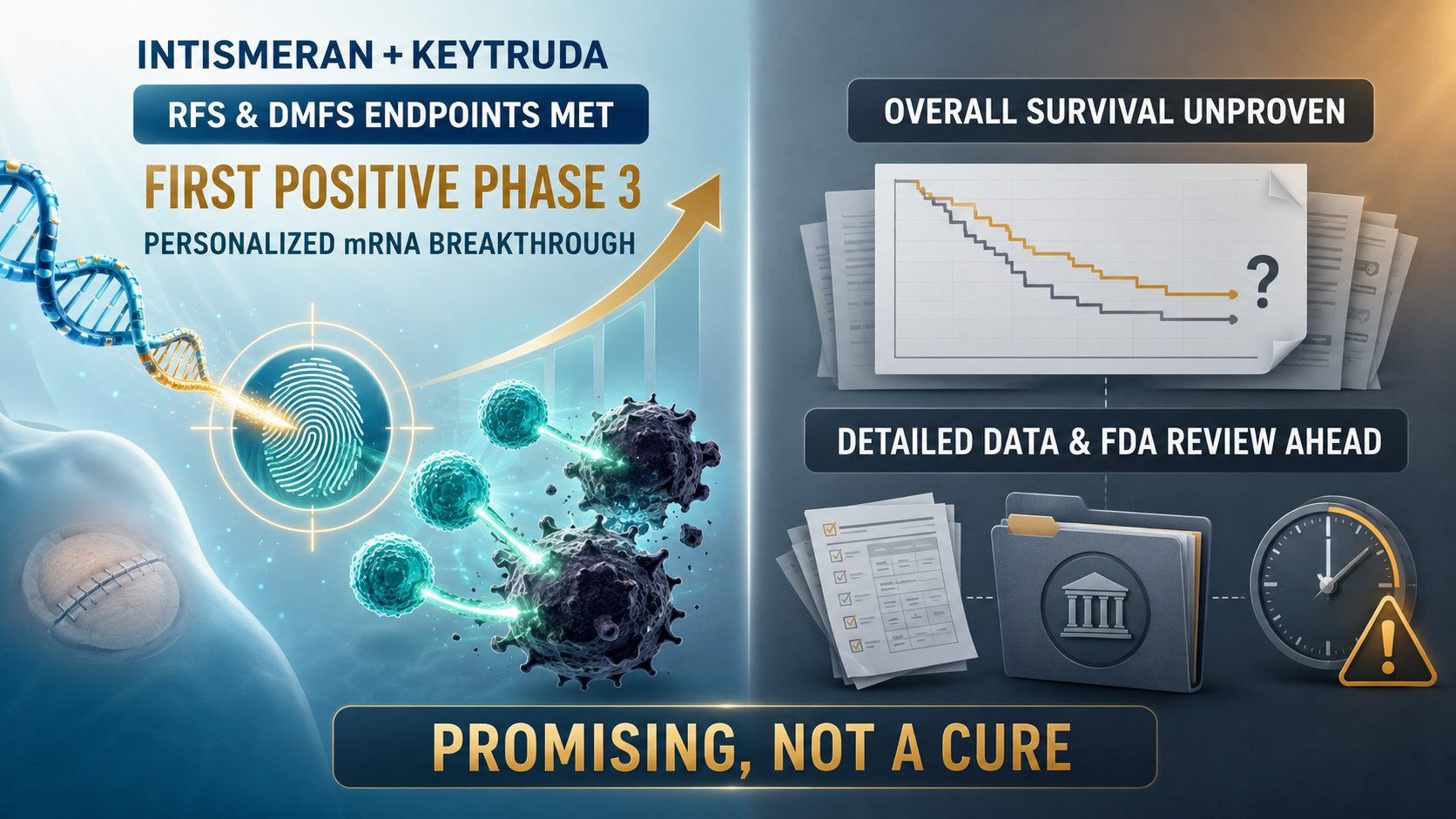
모더나(Moderna)와 머크(Merck)가 맞춤형 mRNA 암 치료제 ‘인티스메란 오토진(intismeran autogene)’의 흑색종 3상 임상 시험에서 성공했다고 8월 19…